
History Of Karate

Where Karate Originated From:
Karate, which means in Japanese, “empty hand,” was born in the Okinawan Islands. It began as a form of self-defense at a time when any weapons were banned due to the invasion of Japanese forces. It began as te – hand – a fighting style used by the Ryukyu Islands natives and was influenced by Chinese kenpo later on. Kempo was introduced through the Chinese families which settled on Okinawa after the trade relationships between China and the islands which were established.
From Okinawan cities called Shuri, Naha, Tomari are each very closely spaced and although they were having very different societal demands, three different styles emerged. They are Shuri-te, Naha-te, and Tomari-te.
These styleswere collectively called Okinawa-te or tode which means Chinese hand and over time, these styles became pnly two: Shōrin-ryū that was developed near Shuri and Tomari, and Shōrei-ryū which was developed near Naha.
Due to the increase of Japanese influence, the label of te was eventually lengthened to karate-jutsu which means Chinese hand art. It finally changed to karate-do after a master from Okinawa changed the meaning of the word kara (can be also pronounced as tode) which means “empty” rather than “Chinese hand.” The real translation of karate-do is “the way of the empty hand.” or “the way of karate.
There are common believes of where Karate began as well. So, it is not that much known where karate originated from. Although it is believed that it appeared in Okinawa but there are some believes that it came from India over a thousand years ago as well and it was brought to China by a Buddhist monk named Bodhidarma and “daruma” in Japanese. As it is described, Bodhidarma arrived in Shaolinsi and started teaching Zen Buddhism too, which is a style of temple boxing that was designed to strengthen the mind and body. The historical accuracy is still open for debate today.
Known Dates in the History of Karate:
1905: Karate was included in physical education programs in Okinawa up to intermediate level.
1917: Master Gichin Funakoshi demonstrated karate-do first time publicly.
1922: Master Gichin Funakoshi invited by Dr. Jano Kano to demonstrate at the Kodokan Dojo
1924: University karate club was established first time in Japan, at Keio University.
1930`s: Karate made its way to Canada.
1936: Okinawan masters got together to discuss karate in Okinawa, and a meeting was sponsored by the newspaper
called Ryukyu Shimpo.
1939: Japan opens its first formal training school called Shoto-Kan.
1945: Karate was introduced in the the United States.
1949: The Japan Karate Association is formed.
1950`s: The first karate school opened in the United Kingdom.
1960`s: Karate was spreading to Soviet Union and was banned and was unbanned couple of times over the next three
decades.
1964: France Shotokan Karate was established in France.
1989: Karate became legal once again in the Soviet Union.
Well-Known Historical Figures:
Master Gichin Funakoshi: Founder of Shoto-kan.
Chojun Miyagi: Founder of the Gōjū-ryū style.
Hironori Otsuka: Founder of the Wadō-ryū style.
Kenwa Mabuni: Founder of the Shitō-ryū style
Dr. Jano Kano: Founder of Japanese Judo.
Itosu Anko: He was called the “grandfather of karate,” who brought karate to schools in Okinawa and simplified it to
increase the public acceptance.
.
Modern Karate Today:
Nowadays, Karate-do is taught all around the world. It has been modified and changed to four distinctive Japanese styles have emerged:
Gōju-ryū
Shitō-ryū
Shotokan
Wadō-ryū
Karate became very a popular sport in the world among children and adults and among two genders. One of the largest organization for karate as a sport called, World Karate Federation (WFK), has created competition rules and regulations.
For first time, Sports of Karate has given a chance to perform in Olympics which will be in Japan in the year of 2021 (postponed due to Covid19).

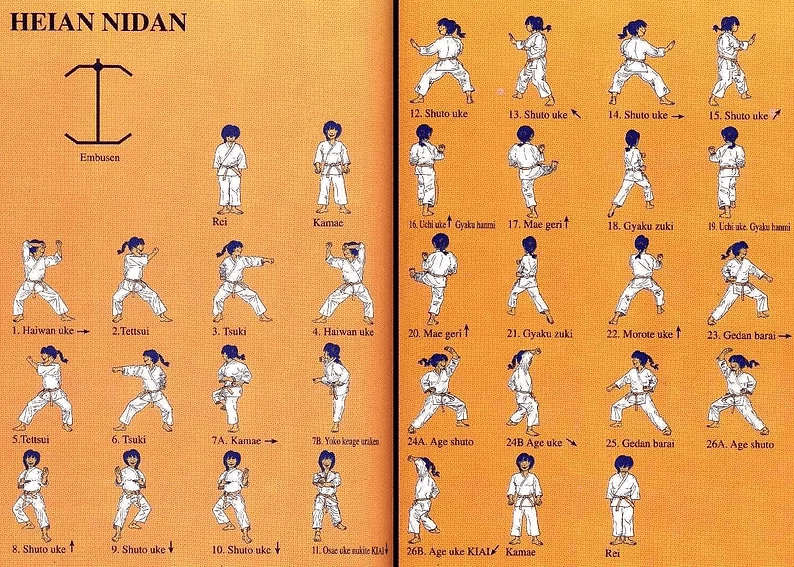
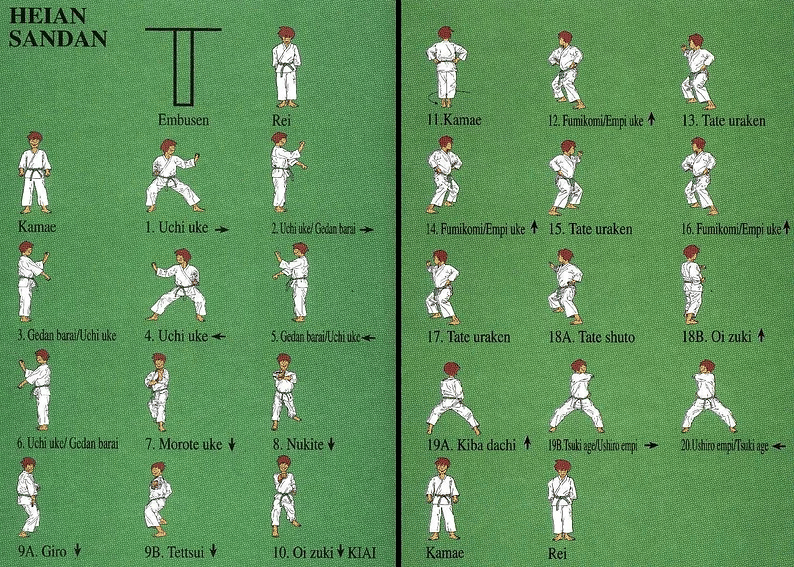
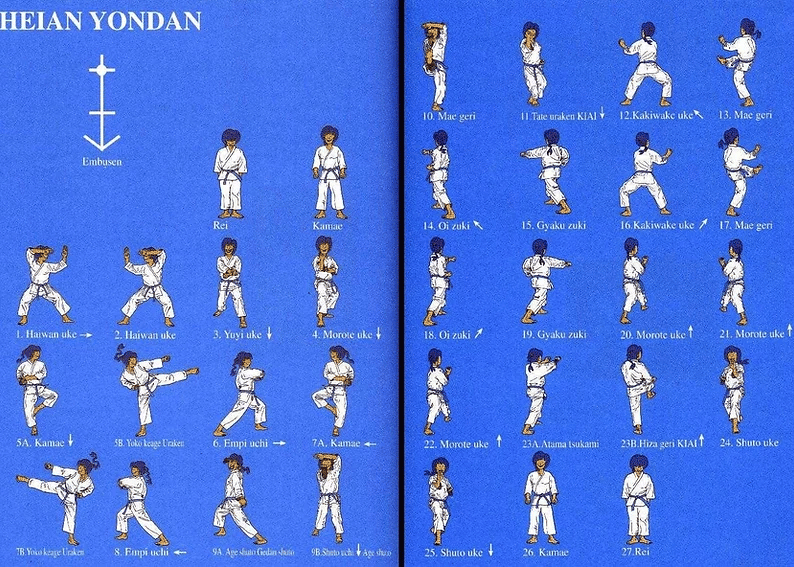
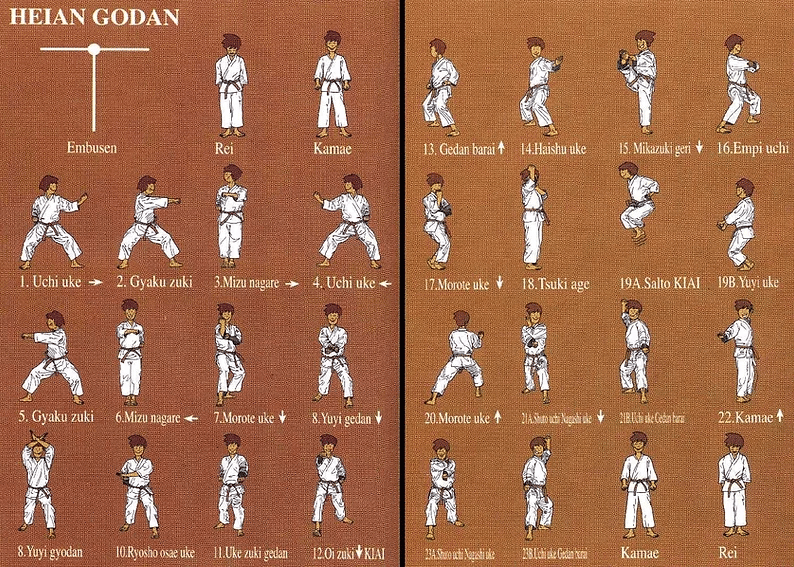
5 Basic Katas/Forms
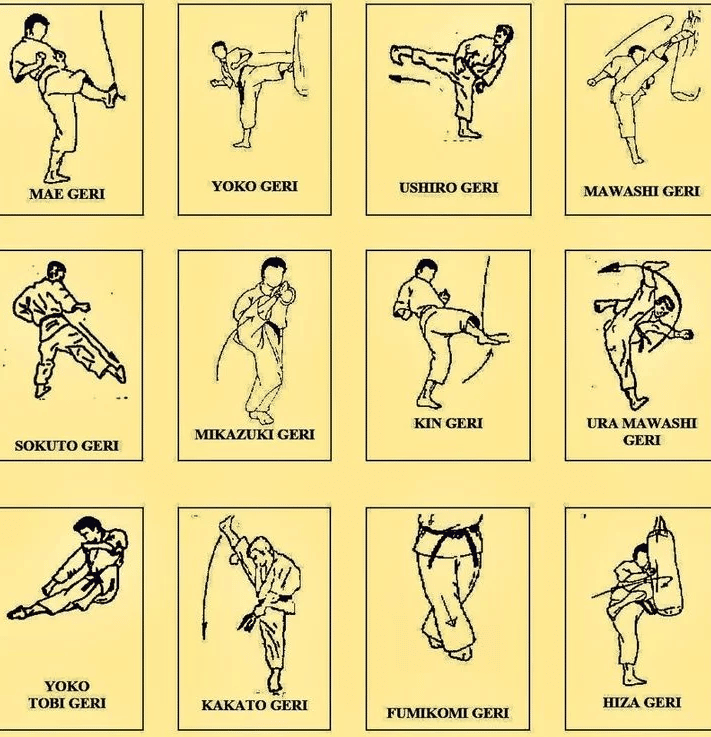
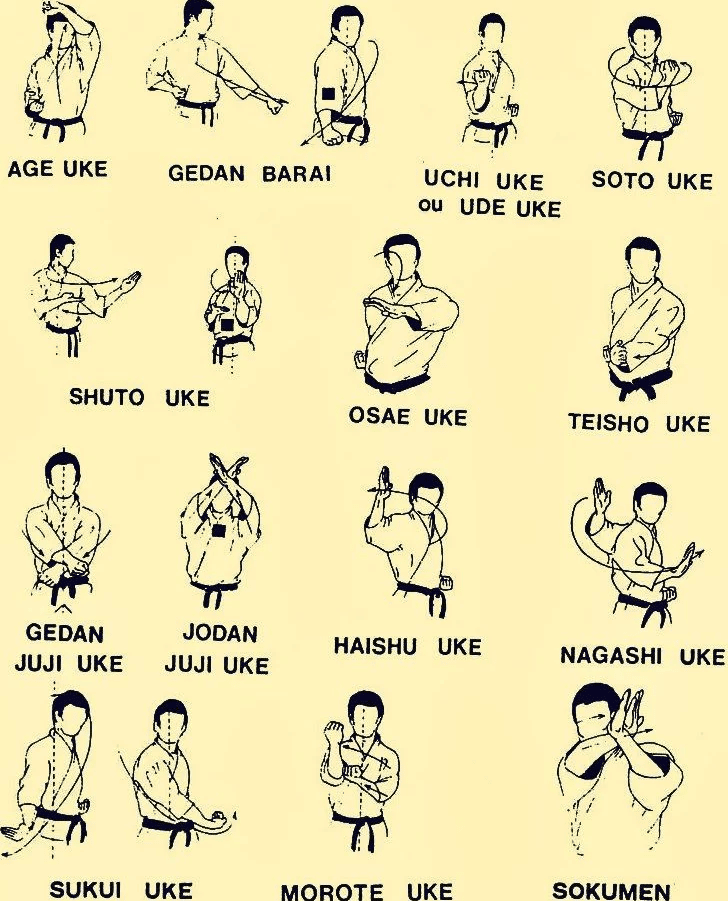
Main Techniques


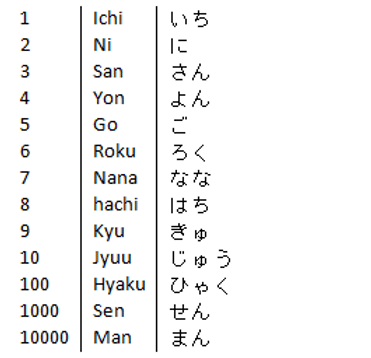
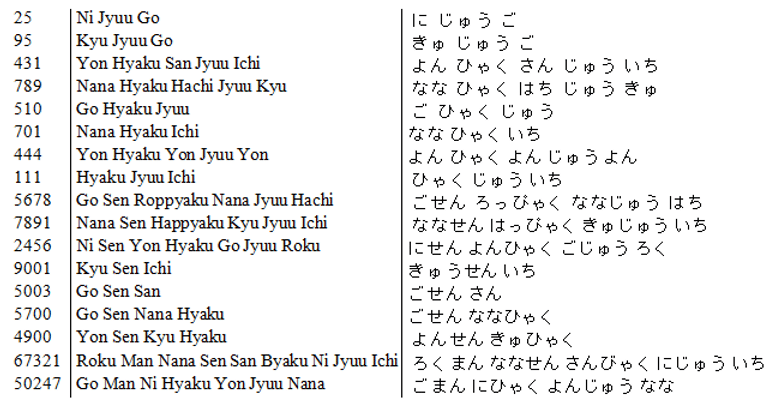
Counting in Japanese

Dojo-Kun
Goals/Principles of Karate Students

Our Dojo Rules